-
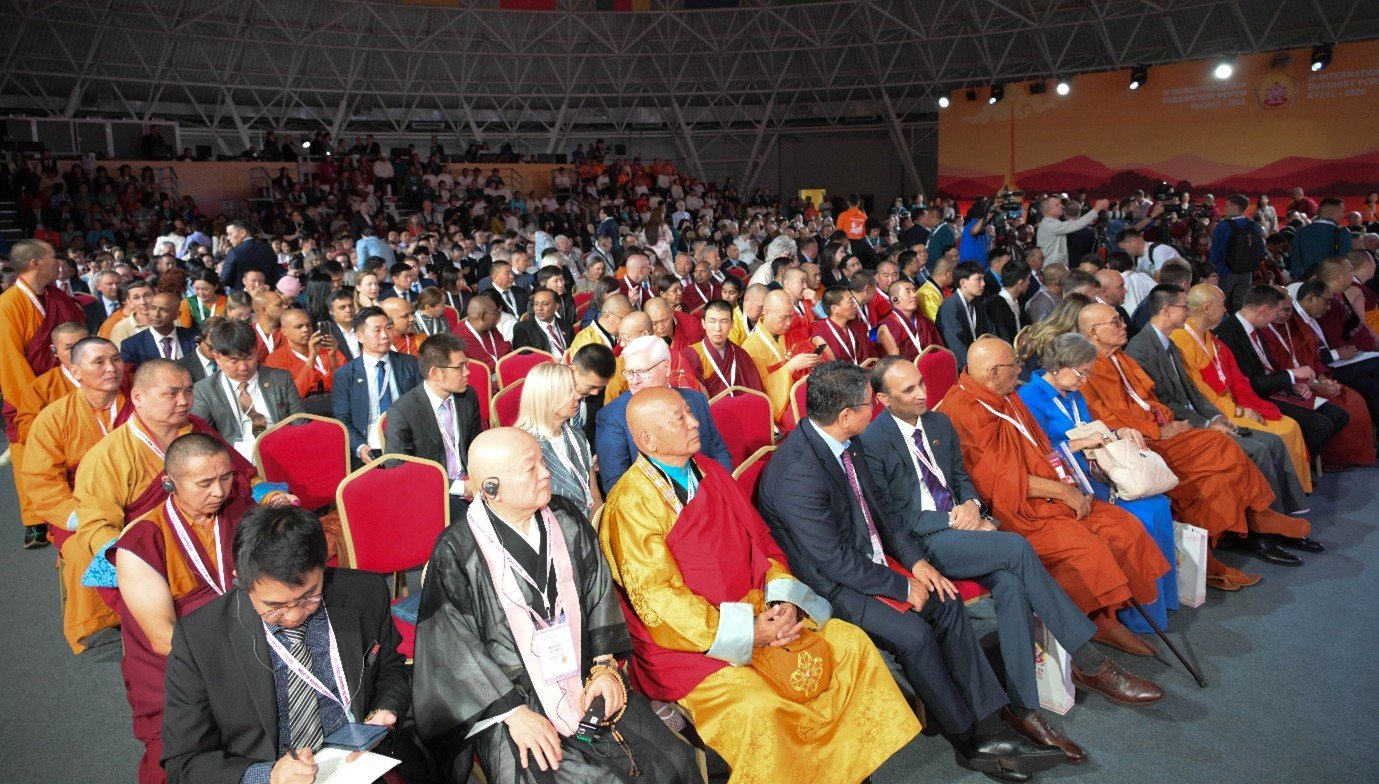
IBC’s Participation at the ‘4th International Buddhist Forum’ in the Republic of Tuva, Russia

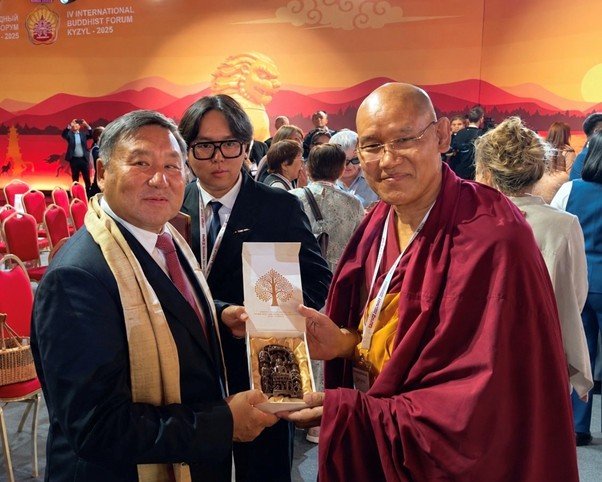
The International Buddhist Confederation (IBC), New Delhi participated at the 4th International Buddhist Forum (IBF) held in Kyzyl, the Republic of Tuva in Russia from August 17-20, 2026 bringing important Indian Buddhist perspectives to a major international gathering of Buddhist leaders, monastics, scholars, practitioners and representatives from across the Buddhist world. Representing the IBC, Secretary General Shartse Khensur Jangchup Choeden Rinpoche participated in the Forum and held a series of meetings and engagements with Buddhist leaders, government representatives, monks and local devotees.
The visit highlighted the enduring civilisational relationship between India and Russia and the growing role of the Buddha Dhamma as a bridge connecting communities through shared values of peace, compassion, harmony and spiritual wellbeing.
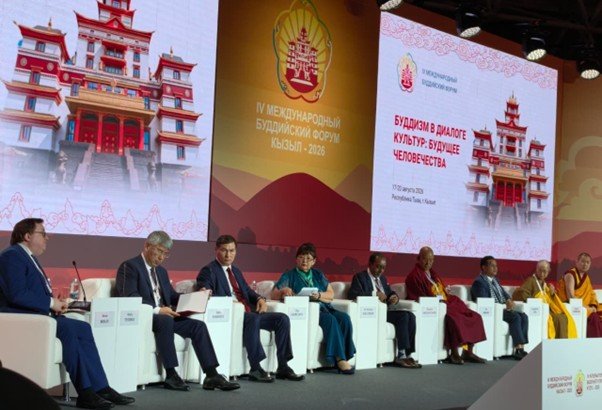
Speaking at the Plenary Session of the Forum, held under the theme “Buddhism in the Dialogue of Cultures: The Future of Humanity”, the Secretary General said he was honoured to be representing India at the international gathering. Recalling his participation in the 3rd International Buddhist Forum held in Republic of Kalmykia in 2025, he emphasised the significance of returning to such a gathering and engaging with voices from across the global Buddhist community. In his address, he underlined the unique position of India as the motherland of the Buddha Dhamma and described it as one of the country’s most valuable civilisational heritages. He noted that the Buddha spent his entire life and undertook his most important activities on Indian soil, making India home to the world’s largest concentration of Buddhist pilgrimage sites.
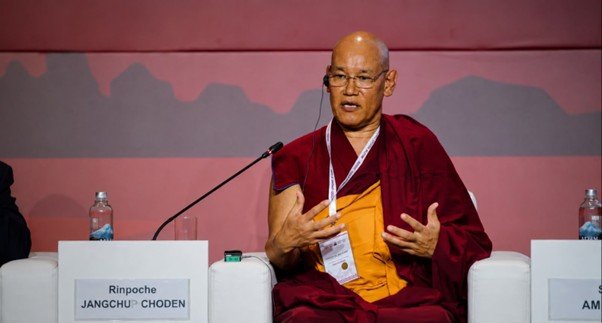
The Secretary General also spoke of the strong and continuing connection between Russian Buddhist communities and India, stating that Russian pilgrims regularly visit major Buddhist sites in India, while students and monks from Russia’s Buddhist republics, particularly Kalmykia, have travelled to Indian monastic institutions for academic endeavours. He emphasised that these exchanges represent a living connection between the Buddhist traditions of India and Russia. In addition, he also recalled the successful exposition of the Holy Relics of the Buddha in Kalmykia in 2025, reaffirming India’s willingness to share its revered Buddhist heritage with the global Buddhist community.
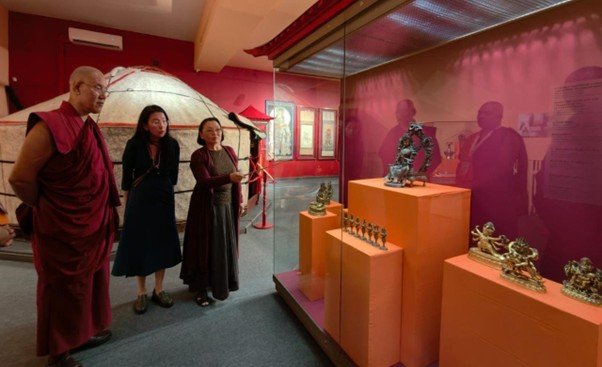
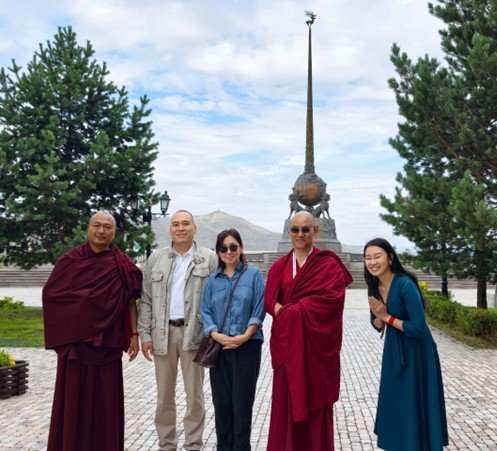
The Secretary General continued his engagements under the official Forum programme. He was interviewed for a film being produced by the Forum’s organisers and visited Tuva National Museum, gaining further insight into the region’s cultural and historical heritage. He also held important meetings with Vladislav Tovarishchtayovich Khovalyg, Head of the Republic of Tuva; Choksum Chechen Dugurzhapovich, Deputy Chairman of the Government of the Republic of Tuva; and the Head of Thubten Shedrub Ling, the principal monastery of Kyzyl. Thereafter, against the backdrop of the iconic ‘Centre of Asia’ monument, the Secretary General of IBC held an interaction with Mr. Aydin Sergeevich, former Minister for Regulation of Contract Systems in the Sphere of Procurement of the Government of the Republic of Tuva in Russia.
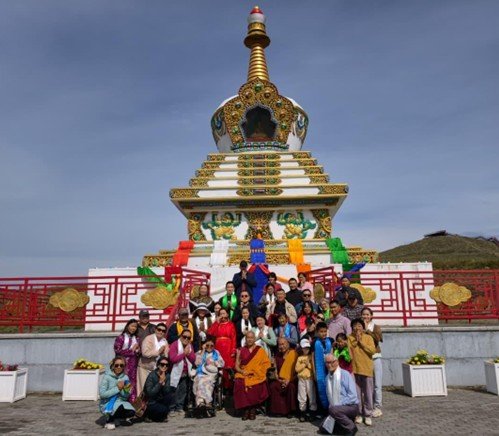
An important aspect of the visit was the Secretary General’s interaction with local Buddhist devotees. At the invitation of devotees, he visited the Lamrin Monastery, where he conducted a chanting ceremony and blessed members of the community. He also visited the Stupa commemorating Geshe Lobsang Thubten, a respected Indian Buddhist teacher who travelled to Tuva in 1995 and played a prominent role in the revival of the Buddha Dhamma in the region by teaching Dhamma in the Tuvan language. The visit carried a particularly personal significance, as the Secretary General of IBC and Geshe Lobsang Thubten had trained together as fellow monastics. Addressing the assembled devotees, he offered a Dhamma teaching and paid tribute to the shared spiritual journey, while receiving the warm affection and respect of the local Buddhist community.
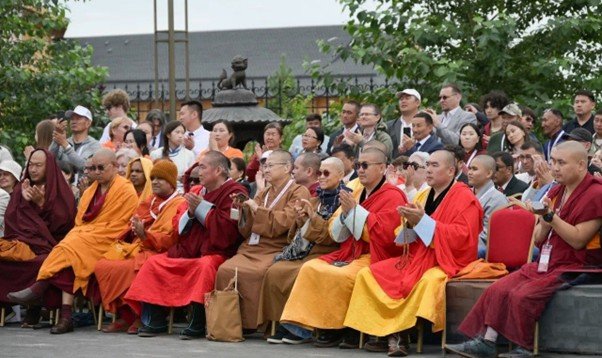
The Forum also provided an opportunity to celebrate the rich Buddhist traditions of Tuva, Buryatia and Kalmykia – the three Buddhist Republics of Russia. At Thubten Shedrub Ling, Tuva’s largest monastery, a spiritually moving musical offering to the Three Jewels brought together artists from all three major Buddhist republics. The performance represented a powerful expression of devotion, cultural heritage and unity. The Secretary General joined monks from different parts of the world at a gathering which reflected the shared spiritual and cultural bonds connecting Buddhist communities across national and regional boundaries.
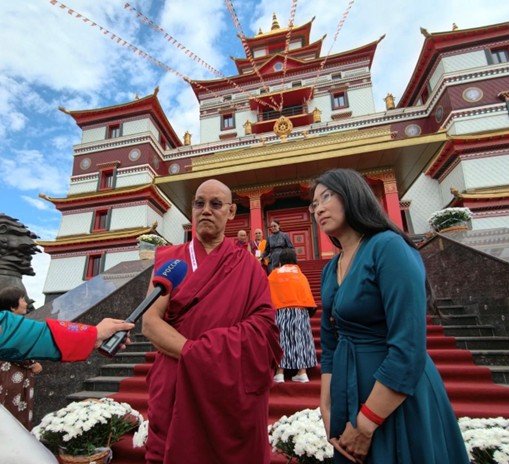
On the sidelines of the IBF, the Secretary General in an interview with Russian media ‘Russiya’ highlighted how the Buddha Dhamma has been a powerful bridge between India and Russia, connecting shared values of peace, compassion and harmony. He spoke on India-Russia cultural diplomacy and the civilisational bond between the two nations. He observed that while every nation's history has had uncertainties, there is currently a global trend of nations striving to preserve and enrich their cultural and religious heritage. Further, he stated that the Buddhist tradition is followed today in over 90 countries, and Tuva reflects this growth, with nearly 80% of its population now Buddhists.
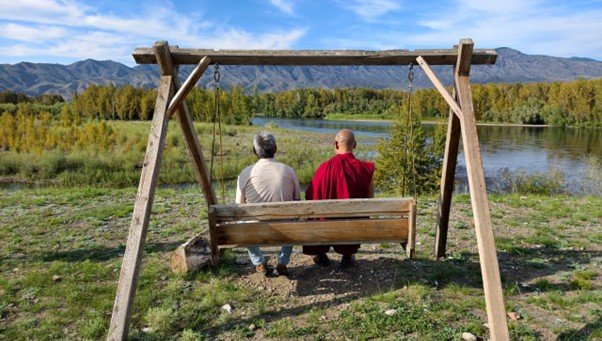
During a luncheon meeting hosted by Nikolai Ashanin, Kaa-Khem Khural of Representatives in the Republic of Tuva, discussions also touched upon the long-standing Buddhist heritage of Tuva. Mr. Ashanin spoke about the region’s Buddhist tradition and recalled how, during the 1990s, Buddhist monks would meditate in mountain caves around Kyzyl, illustrating the continuing spiritual importance of the region.
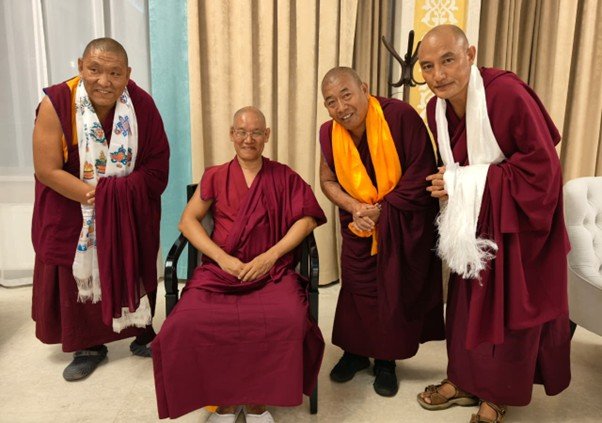
The Secretary General also met a group of Buddhist monks who had studied in Mundgod, Karnataka in India. Their interaction reflected the powerful educational and monastic links between India and Buddhist communities in Russia. The memories of their studies and monastic training created a strong sense of familiarity and demonstrated how India’s Buddhist institutions continue to serve as important centres of learning. Furthermore, the meeting reflected shared learning that continues to unite the Buddhist community across regions, through related global activities and events organised by the IBC.
Participation of the Secretary General of IBC headquartered in New Delhi, in the 4th International Buddhist Forum in the Republic of Tuva underscored the continued relevance of India’s Buddhist heritage in fostering international dialogue and cultural understanding. The Forum also offered an opportunity to build on the longstanding cultural links between India and Russia and explore new avenues for cooperation through the shared heritage of Buddha Dhamma.