-
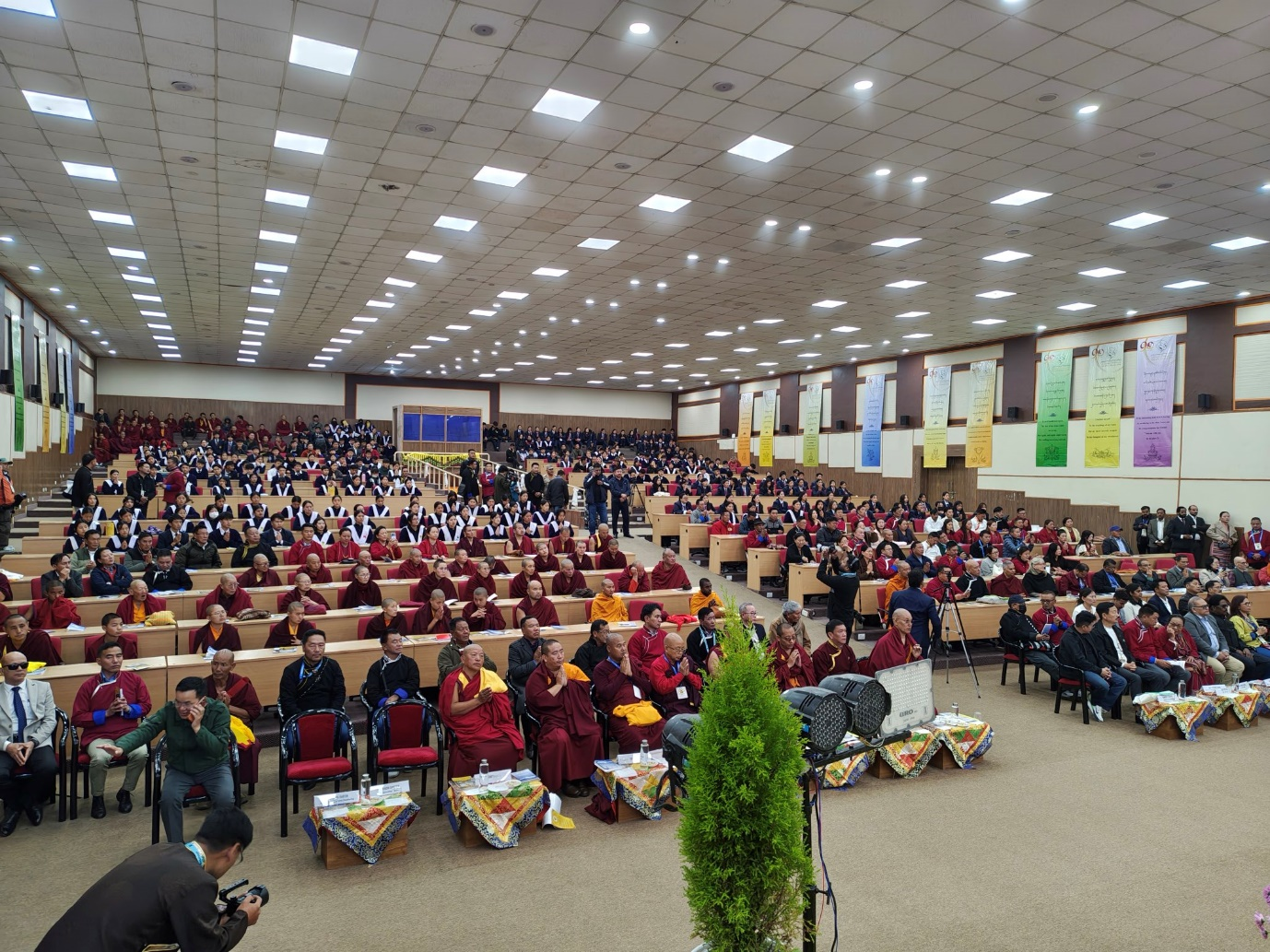
The International Conference on ‘Buddhism: Dissemination in the Himalayan Region and Beyond’ and Abhidhamma Divas Celebrations in Tawang, Arunachal Pradesh

The International Buddhist Confederation (IBC), in collaboration with the Ministry of Culture, Government of India, and the Government of Arunachal Pradesh, organised ‘International Conference on Buddhism: Dissemination in the Himalayan Region and Beyond’ on 2nd November 2026, at the Kala Wangpo Convention Centre in Tawang, Arunachal Pradesh. The Conference, held alongside the commencement of Sacred Buddha Relics Exposition, also marked the ‘Abhidhamma Divas’ celebrations, known as Lhabab Düchen in Arunachal Pradesh, held the preceding day at Tawang. Eminent Buddhist scholars from India, Sri Lanka, Nepal, Myanmar, Malaysia, Indonesia and Germany, presented papers at the Conference, which was attended by 400 participants, including senior monks, academicians, government officials and young students from local academic institutions.
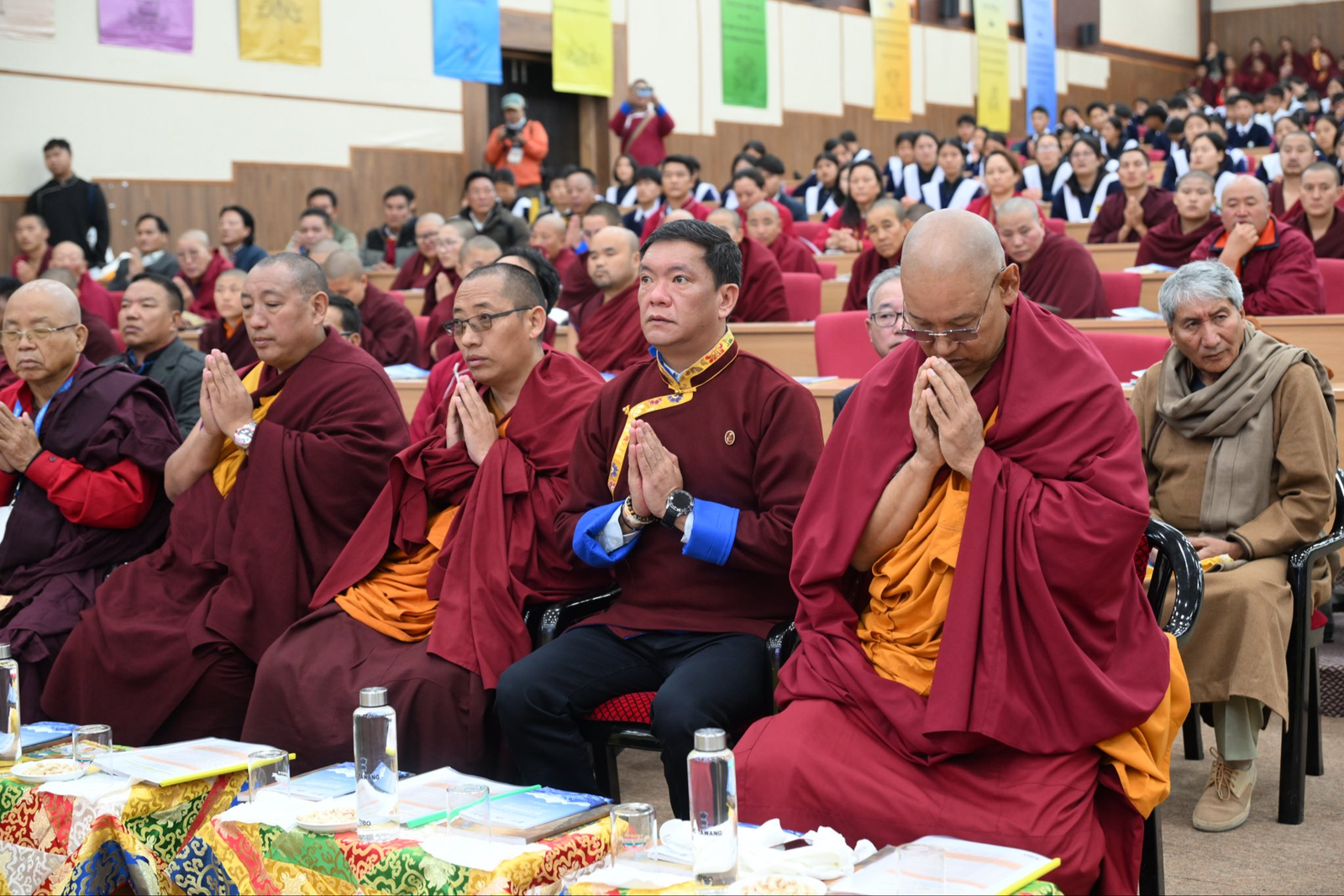
The inaugural session commenced with sacred chanting by the Sangha. In his welcome address, Ven. Shartse Khensur Jangchup Choeden Rinpoche, Secretary General (SG) of IBC, reflected on the journey of the Buddha's teachings from India to the Himalayan region and beyond. He acknowledged the support of the Government of Arunachal Pradesh and the Ministry of Culture, Government of India, in organising the Sacred Relics Exposition and the Conference. Observing that the IBC is committed to bringing together Buddhist monastic and lay institutions from across the world under IBC’s motto ‘Collective Wisdom United Voice’, the SG stated that it was befitting that the Conference is coinciding when the IBC is celebrating its 14th Founding Day.
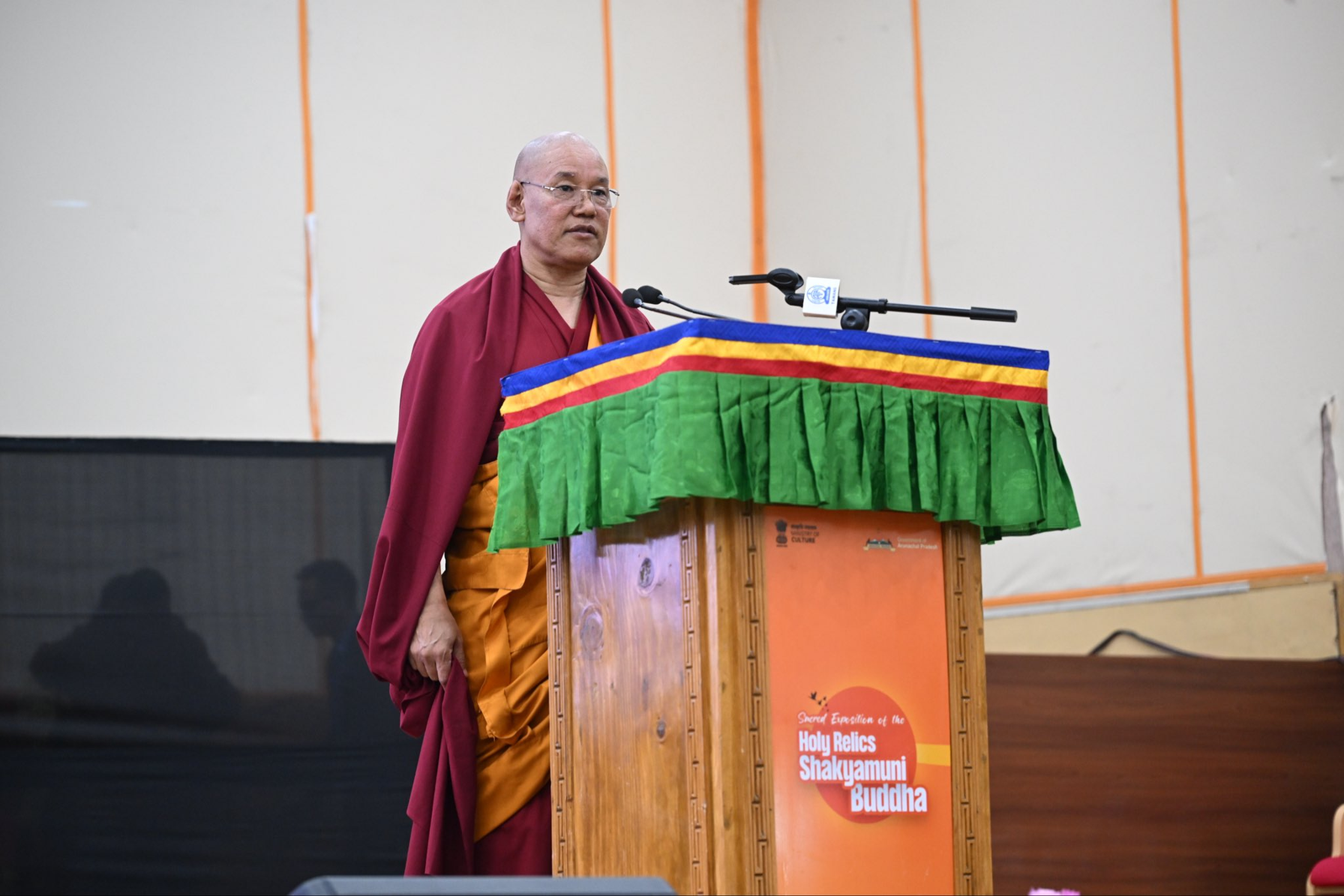
In his address, the Abbot of Tawang Monastery, Rev. Dramed Sungrab Tulku la, emphasised the importance of studying Buddhist philosophical texts, noting that faith must be accompanied by understanding and practice. In this context, he referred to the Buddha’s analogy of testing gold to ascertain purity emphasising that, likewise, the Buddha’s teachings should be critically examined, understood, and practised. He highlighted the importance of bringing together scholars from the Pali and Sanskrit traditions for fruitful outcomes. He concluded his address by expressing gratitude to the organisers for conducting the Conference.
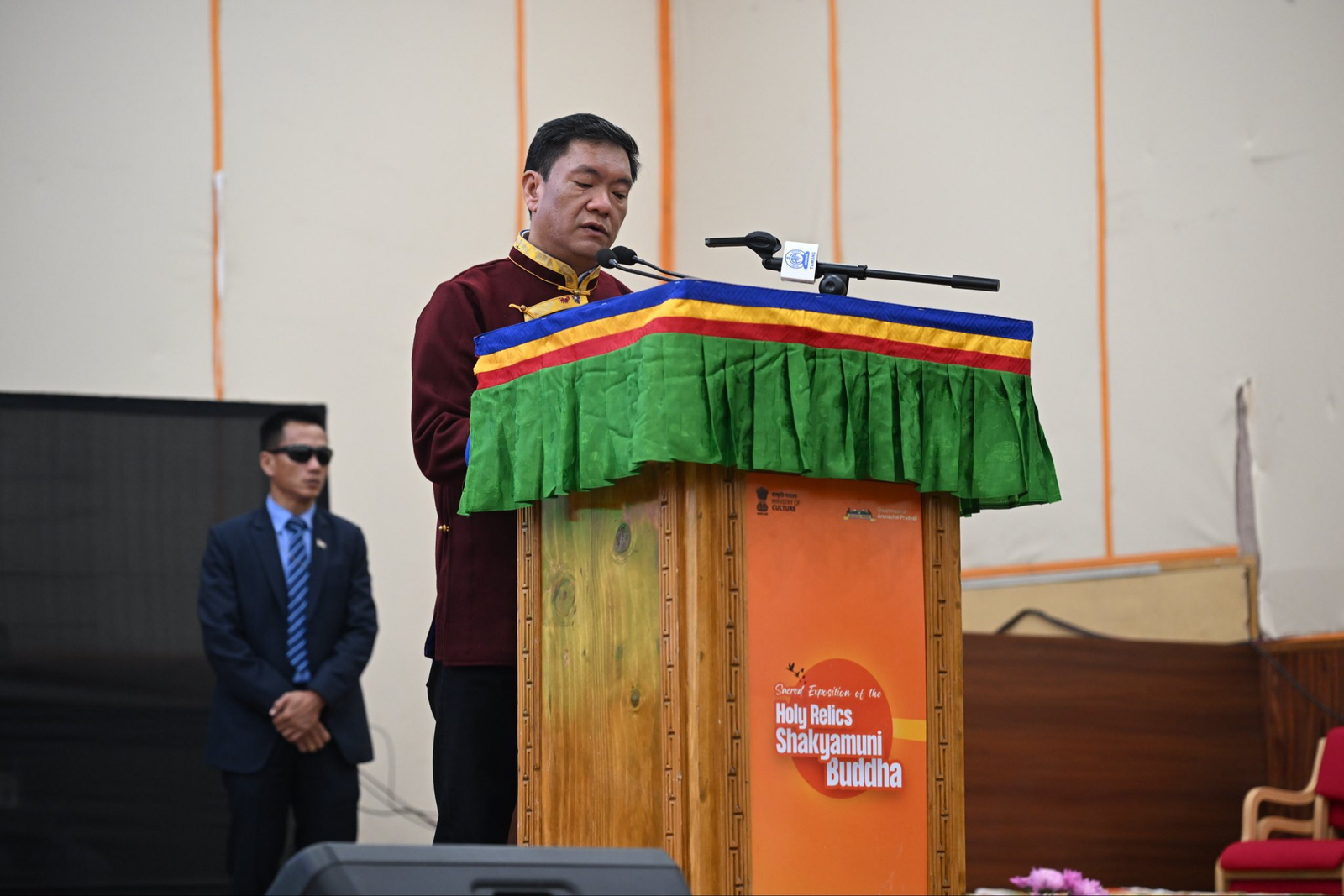
The Hon’ble Chief Minister of Arunachal Pradesh, Shri Pema Khandu, who graced the occasion as the Chief Guest, congratulated IBC on its 14th Foundation Day and emphasised the significance of hosting the Conference in Tawang in the presence of the Sacred Relics of the Buddha. Recalling the historical dissemination of Buddhism through Emperor Ashoka and the contributions of Guru Padmasambhava and Śāntarakṣita, he highlighted Tawang's special place in Buddhist history as the birthplace of the Sixth Dalai Lama.
Moreover, he acknowledged the contribution of this International Conference towards recognising the Himalayan region's unique role in preserving, nurturing and propagating Buddhist philosophy and India's rich spiritual heritage. He underscored the significance of the Conference in fostering academic exchange, promoting cultural dialogue, and deepening understanding of Buddhist philosophy and civilisation.
The Hon’ble Chief Minister, in his concluding remarks, described the monasteries of Arunachal Pradesh as custodians of an invaluable spiritual and cultural heritage and called for balancing development and modernity with the preservation of traditional values. He reiterated the importance of carrying forward the Buddha's message of peace, compassion, ethical conduct and peaceful coexistence.
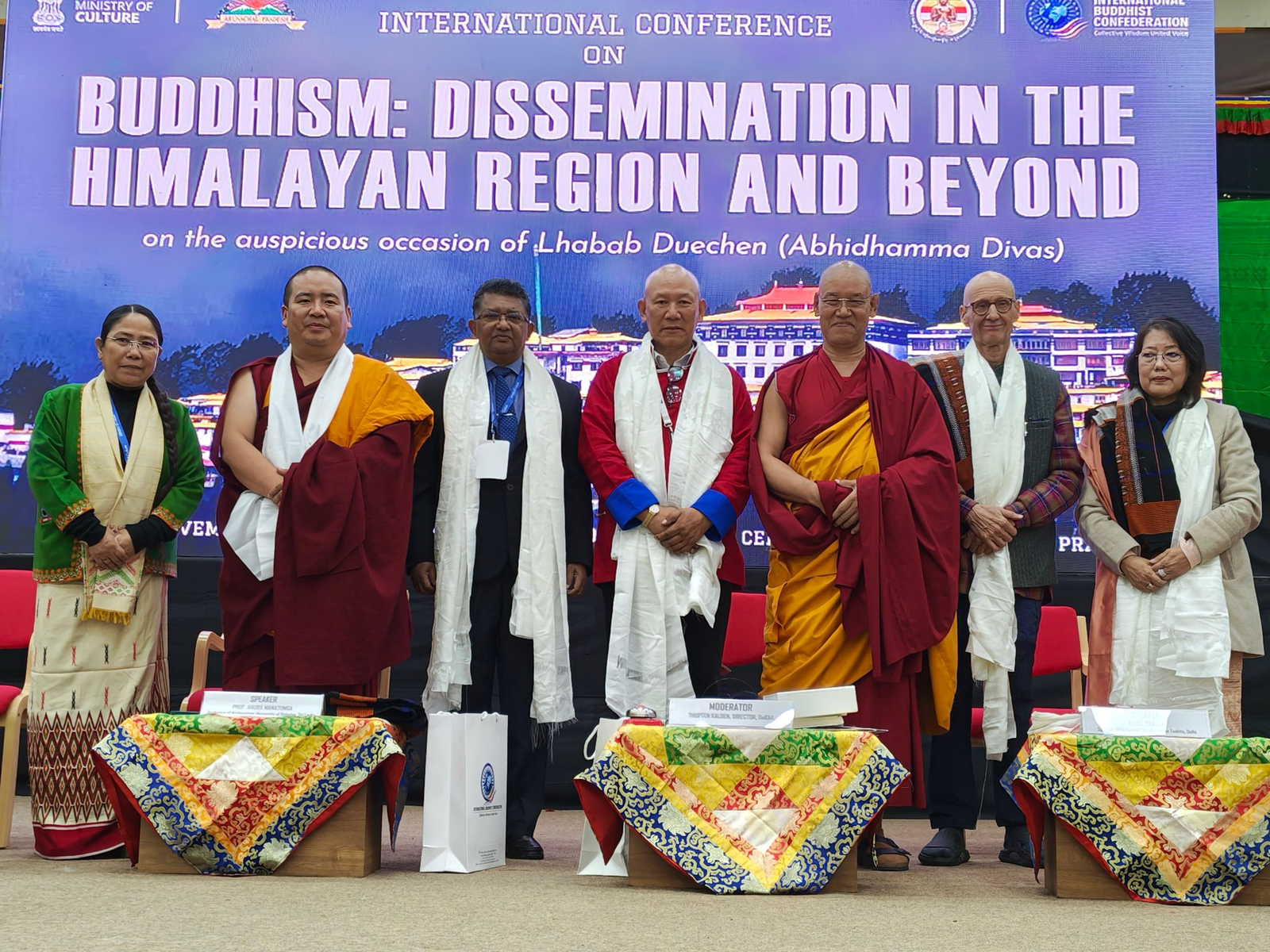
The first academic session titled ‘Carrying Forward the Buddha’s legacy post His Great Demise (Mahāparinirvāṇa)’ highlighted the role of the Dhamma and Vinaya, the First Buddhist Council and the collective preservation of the Buddha's teachings. Discussions explored the significance of Sacred Relics, stupas and pilgrimage centres in sustaining devotion across generations. The contemporary exposition of the Sacred Buddha Relics was recognised as an extension of India's historic role in sharing its Buddhist heritage and promoting international friendship. The session also emphasised strengthening Buddhist academic institutions, making philosophical knowledge accessible and communicating the relevance of the Dhamma to contemporary society. The session was moderated by Shri Thupten Kalden, Director, Department of Karmik & Adhyatmik Affairs (DOKAA), Government of Arunachal Pradesh. The session featured speakers from India (Tulku Tenzin Gyurmey Rinpoche, Mr. Kabir Saxena), Sri Lanka (Prof. Anura Manatunga), and Myanmar (Dr. Saw Htut Sandar), who shared perspectives on carrying forward the Buddha’s legacy after the Mahāparinirvāṇa.
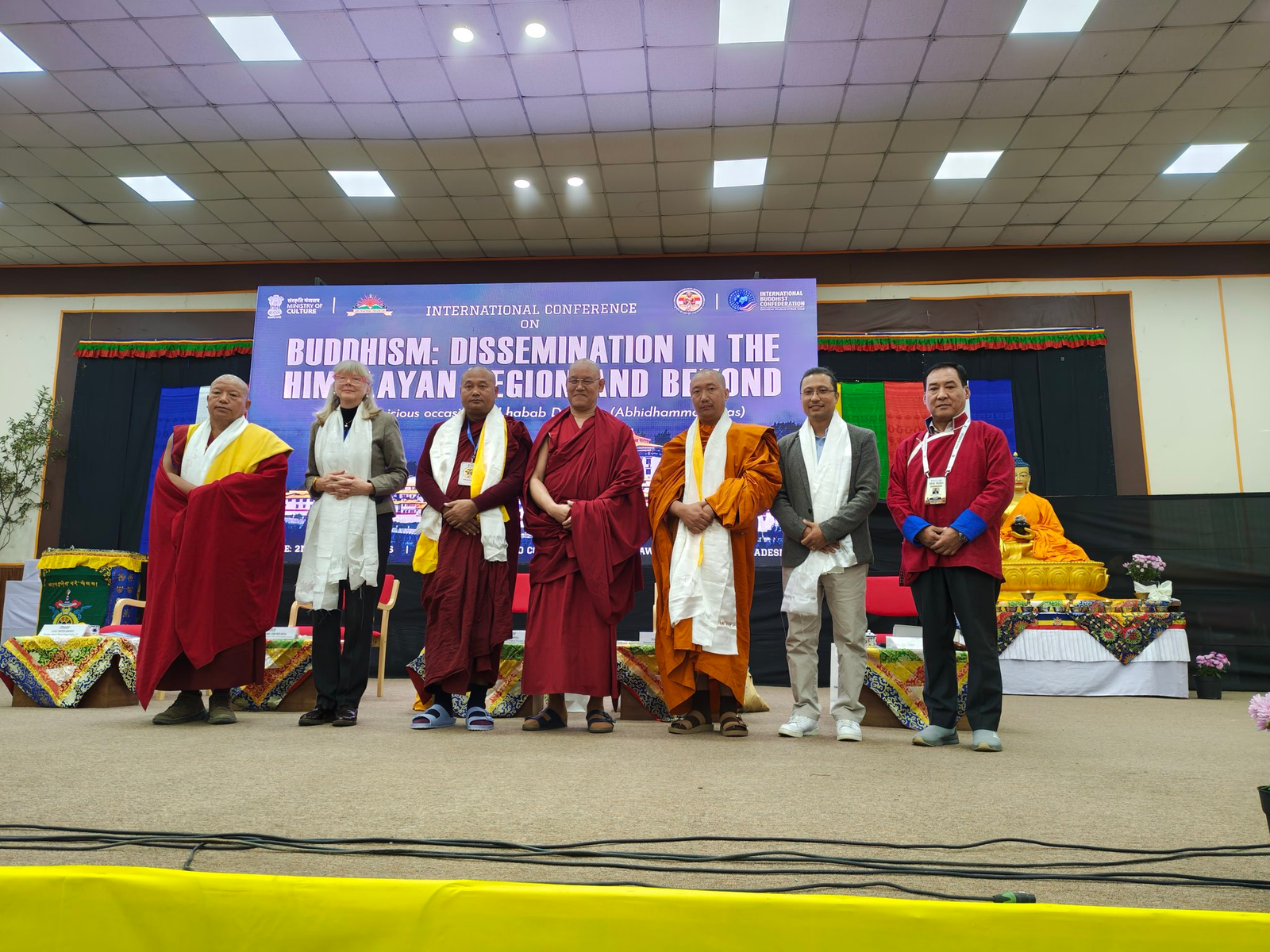
The second panel titled ‘Historical and Doctrinal Continuity of Buddhism’ explored the historical and doctrinal transmission of Buddhism across the Himalayan region, particularly through monastic lineages, scriptures, languages and artistic traditions. The contributions of eminent masters Rinchen Zangpo and Atiśa Dīpaṃkara Śrījñāna to the revival of Buddhism in Western Tibet and the cultural landscape of Mustang in present-day Nepal were highlighted. Discussions traced the transmission of Buddhist knowledge through Pāli, Sanskrit, Tibetan and regional languages, emphasising the importance of translation and the Buddha's distinctive pedagogical approach based on dialogue and questioning. The preservation of Buddhist art and manuscripts was also examined through a historical manuscript from Pātan, Nepal, and its connection with the Mahābodhi Temple at Bodh Gaya. The presentations underscored the importance of cultural exchange and intergenerational transmission in sustaining Himalayan Buddhist heritage. The session was moderated by Ven. Dr. Dhammapiya, Chancellor, Dhamma Dipa International Buddhist University, Tripura, and President, International Buddhist Confederation (IBC), India. The session featured speakers from India (Geshe Thupten Kumphen, Ven. Bhikkhu Panyarakkhita), Germany (Prof. Dr. Susanne von der Heide), and Nepal (Mr. Sanjay Shakya).
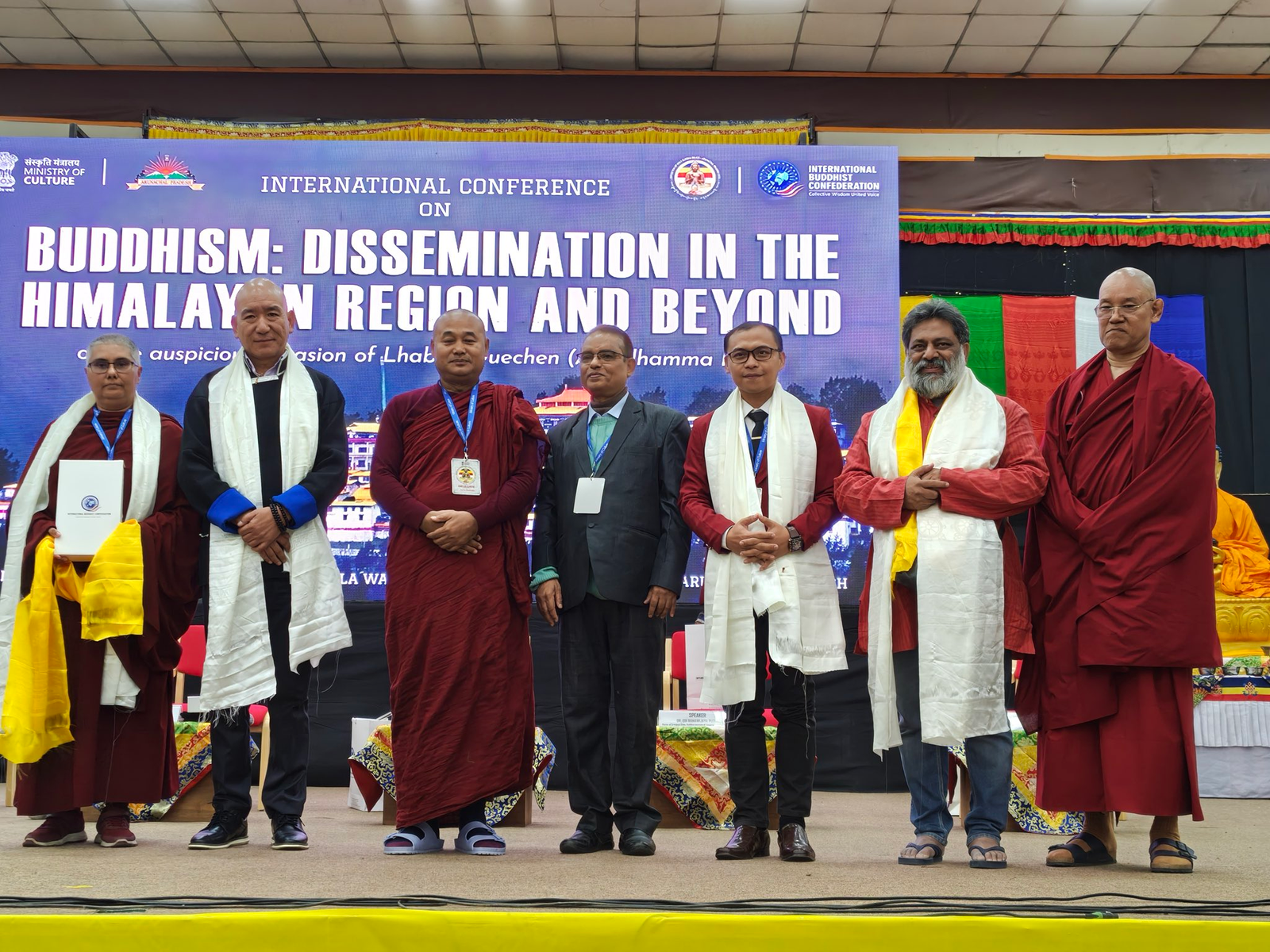
The third panel themed ‘Buddhism and Right Livelihood’ examined the contemporary relevance of Buddhist principles, particularly right livelihood, in education, sustainable development, cultural tourism and globalisation. Nālandā's traditions of rigorous debate, critical inquiry and interdisciplinary learning were discussed as valuable models for modern education, particularly in the age of Artificial Intelligence. Arunachal Pradesh's living heritage, indigenous crafts, local food systems, homestays and traditional knowledge were highlighted as opportunities for community-based tourism and sustainable livelihoods. The Monpa tradition of Shugu papermaking illustrated how indigenous skills can generate dignified employment while preserving cultural identity. Discussions also introduced the concept of Right Prosperity, emphasising development that enables communities and nature to flourish together through education, ecological awareness, cultural continuity and compassion. Buddhist principles of mindful consumption, non-harm and social responsibility were presented as an ethical framework for addressing consumerism, inequality and environmental challenges. The session was moderated by Prof. Projit Kumar Palit, Professor and Head, Department of History, Assam University, Silchar. The session featured speakers from India (Mr. Raj Basu, Sh. Lobsang Phuntsok), Indonesia (Dr. Edi Ramawijaya Putra), and Malaysia (Karma Tashi Choedron).
The deliberations across the three panels demonstrated that the dissemination of Buddhism was not simply a geographical movement but an enduring process of intellectual exchanges, transitions, cultural adaptation, artistic creativity and spiritual engagement.
The Conference concluded with Vote of Thanks by Shri Thupten Kalden, Director, Department of Karmik & Adhyatmik Affairs (DoKAA), Government of Arunachal Pradesh, who appreciated IBC's efforts in bringing together international scholars, monastic representatives and researchers for meaningful academic and spiritual exchange.
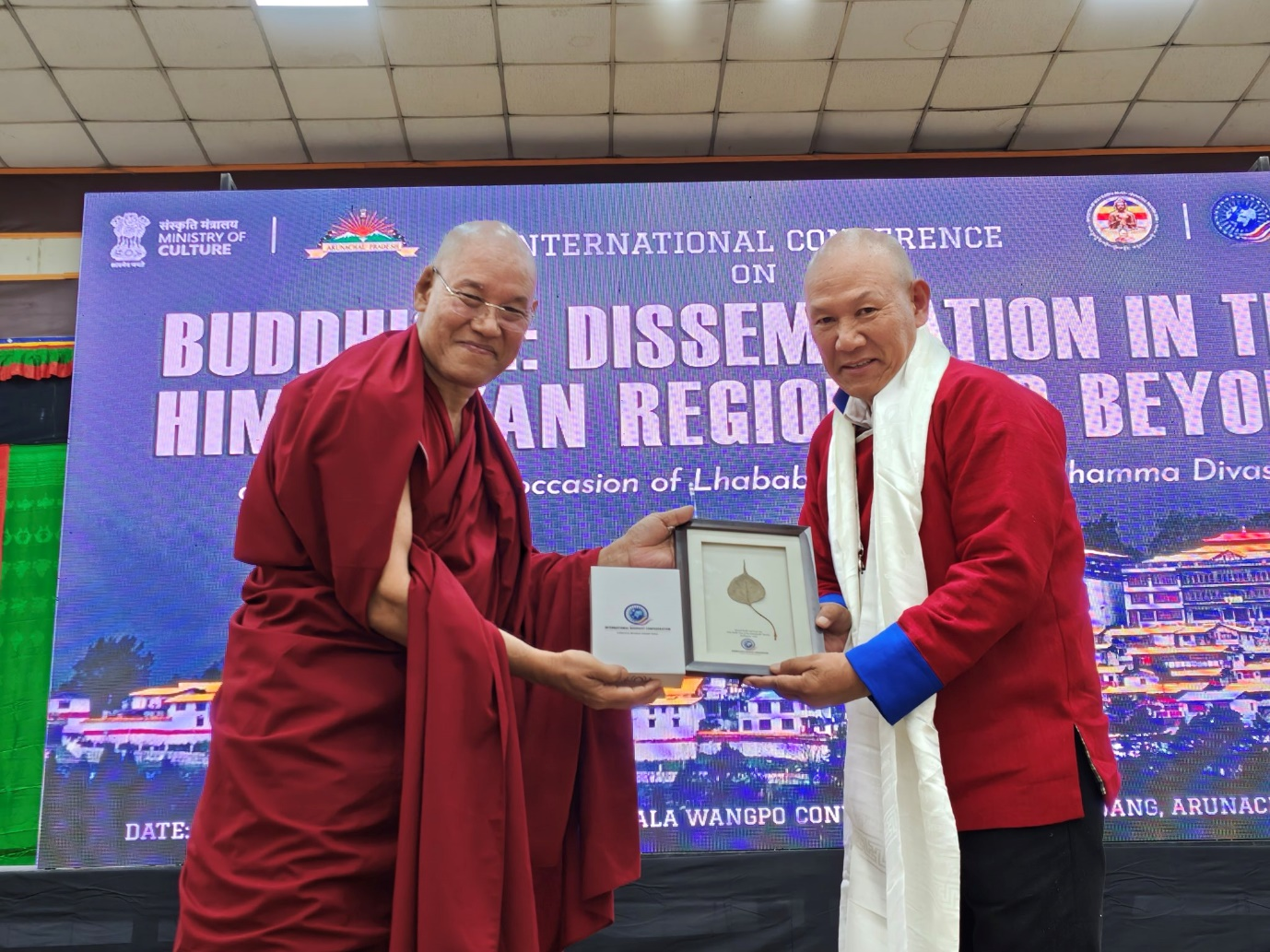
The event, organised in collaboration with the Department of Art and Culture, and the DoKAA, Government of Arunachal Pradesh concluded with a sacred Lamp Prayer of Atiśa Dīpaṃkara Śrījñāna, performed by the Monpa Institute of Performing Arts (MIPA). Held alongside the Sacred Buddha Relics Exposition, the Conference reaffirmed India's enduring responsibility to preserve and share the Buddha's legacy.